Why Tracking Failures Often Go Unnoticed Until It's Too Late
A tracking failure does not necessarily mean that a website is completely broken. Often, the site continues to function for visitors while an event is no longer triggered, a data pass-through is altered, or a consent signal is processed differently. It is usually only during the next reporting cycle or when unusual campaign data appears that missing key information is noticed.
Typical Triggers
Common causes include GTM updates, website releases, adjustments to consent management, new forms or checkout steps, as well as changes to events, conversion actions, or data layers. External scripts and platform updates can also affect measurement.
Manual Testing and Continuous Alerts
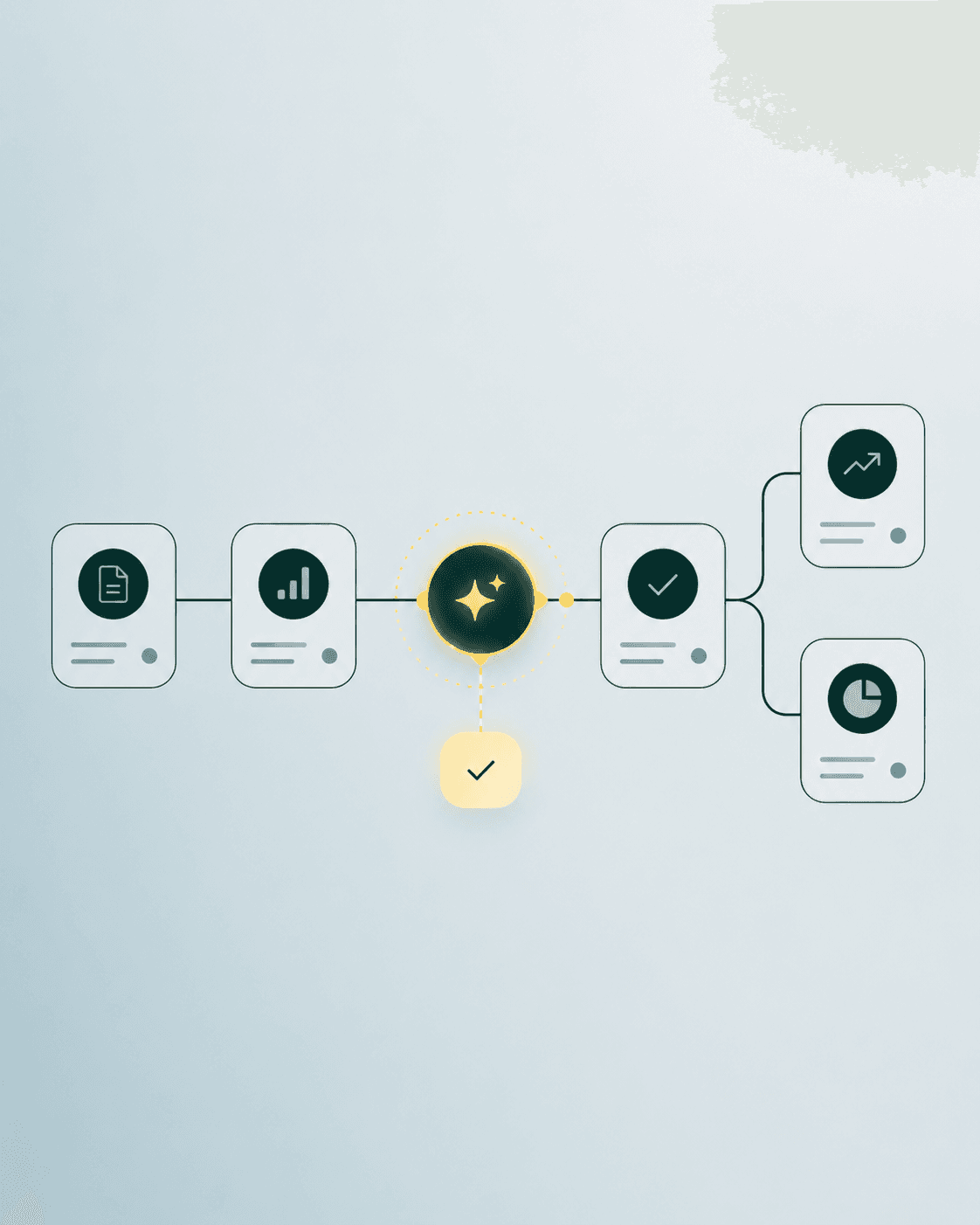
Targeted testing before a release is essential. Afterward, however, a single successful test is no substitute for continuous monitoring. Automated monitoring tracks defined metrics and can trigger an alert in the event of missing conversions, noticeable discrepancies, or unusual trends. The team can then determine whether the issue is technical, a data delay, or an actual change in performance.
Continuous Reliability with Sentinel
Data Flakes Sentinel enhances existing processes with regular audits and clear tracking alerts. While it does not replace root-cause analysis, the solution helps make potential tracking issues visible early on, ensuring data loss isn't only discovered in retrospect.